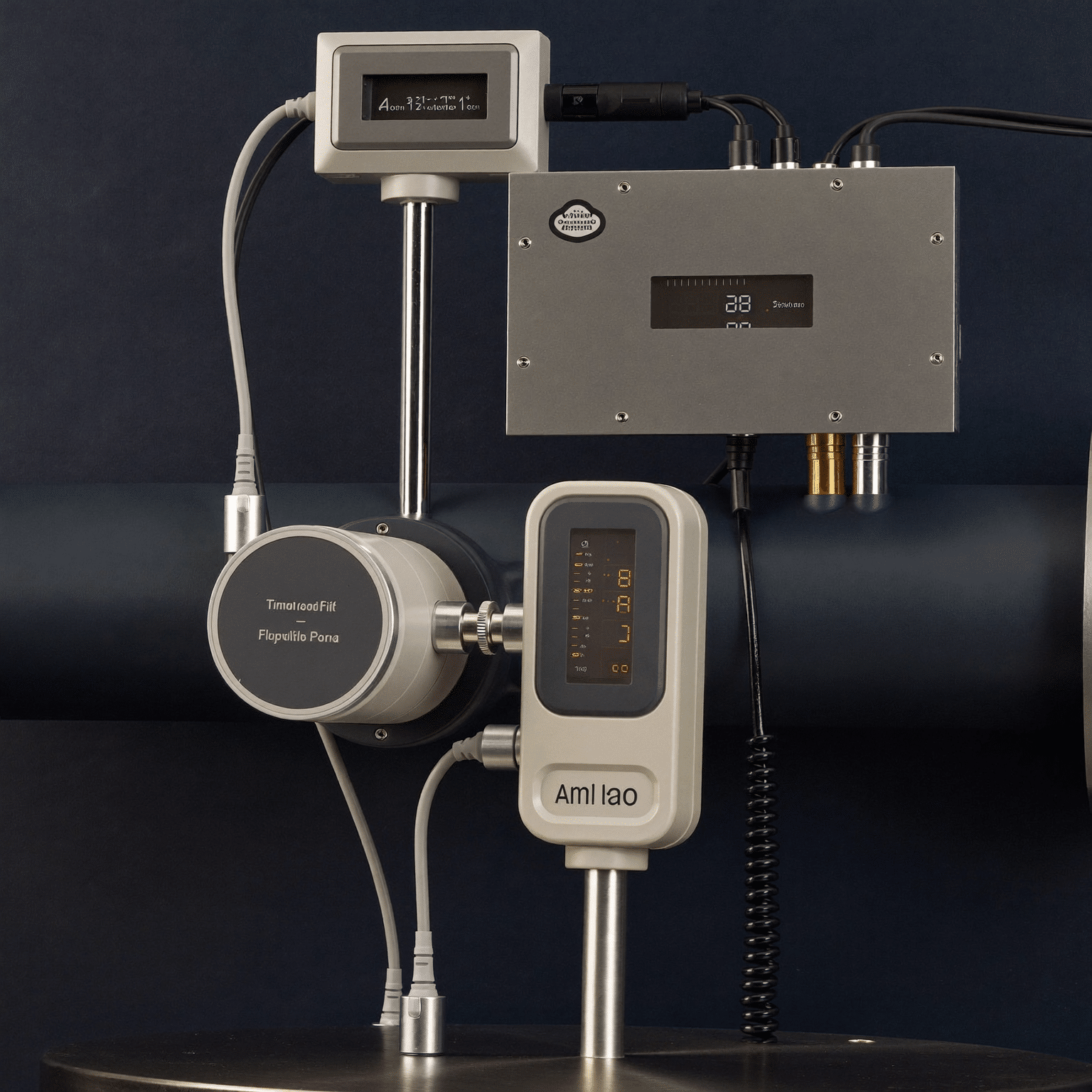


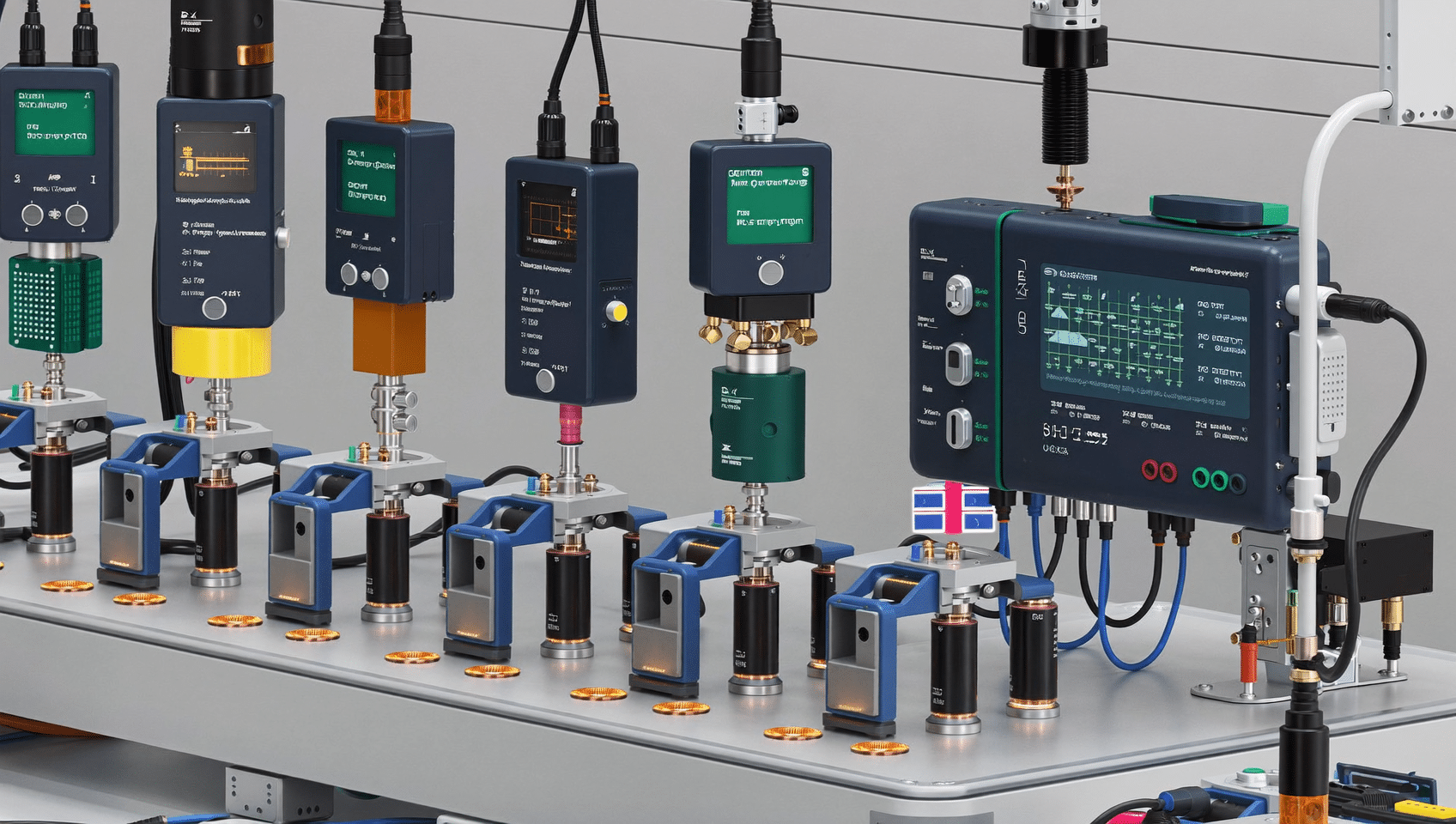
Turning physical signals into reliable data.
A sensor is only as useful as the electronics that interpret it.
Harmonie Design Labs works on the silicon, timing, control, and validation layers that determine how accurately a system can detect, measure, calibrate, and communicate physical information.
Our work supports sensor manufacturers and measurement-system developers building products where resolution, repeatability, drift, timing, and environmental stability directly affect system performance.
Industry Overview
Every measurement chain begins with a physical event: a change in temperature, pressure, flow, position, vibration, distance, or time.
The sensing element captures that event, but the surrounding electronics determine how much useful information reaches the final system.
Noise, offset, timing uncertainty, temperature dependence, calibration error, interface limitations, and long-term drift can all reduce measurement quality.
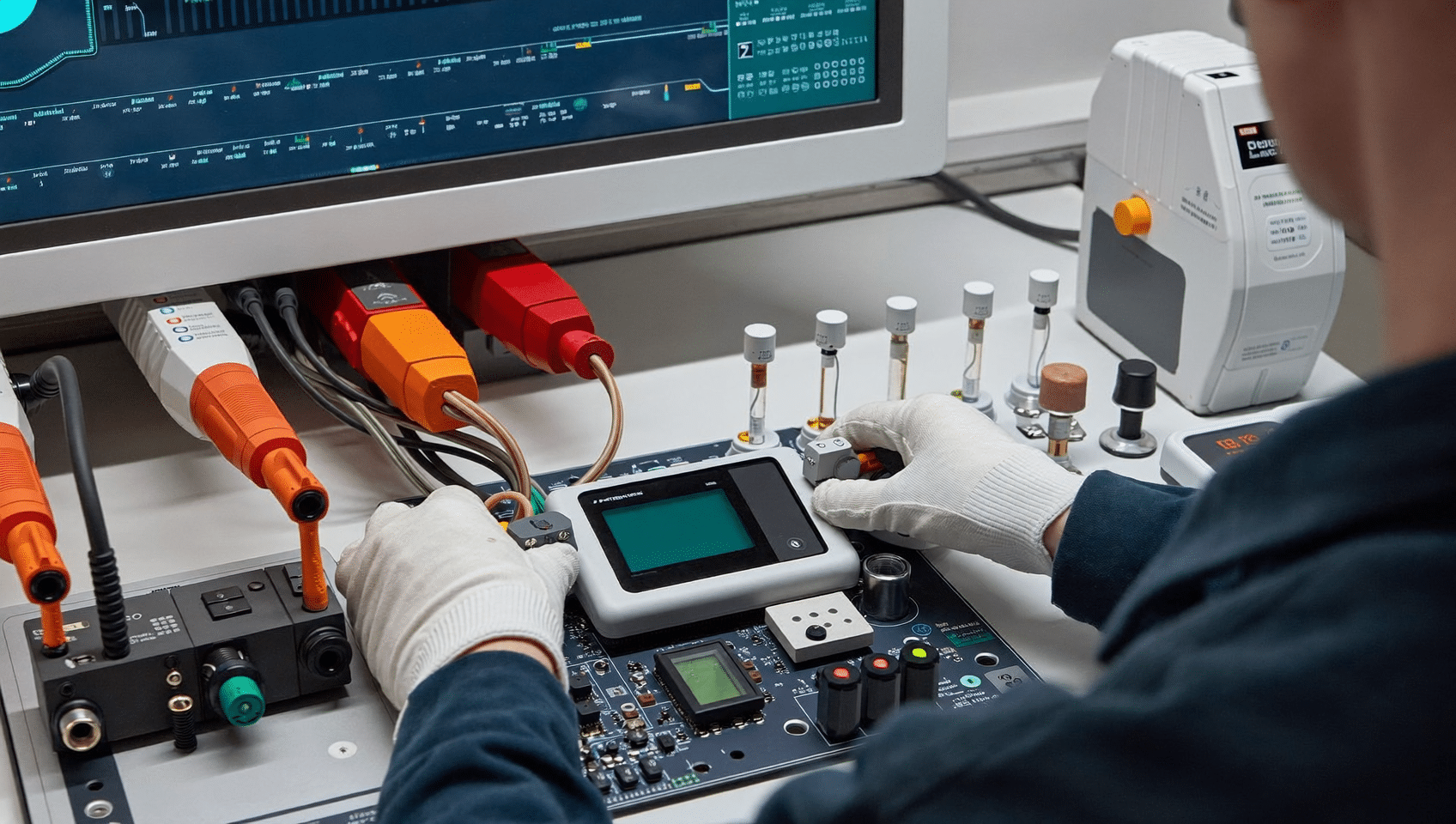
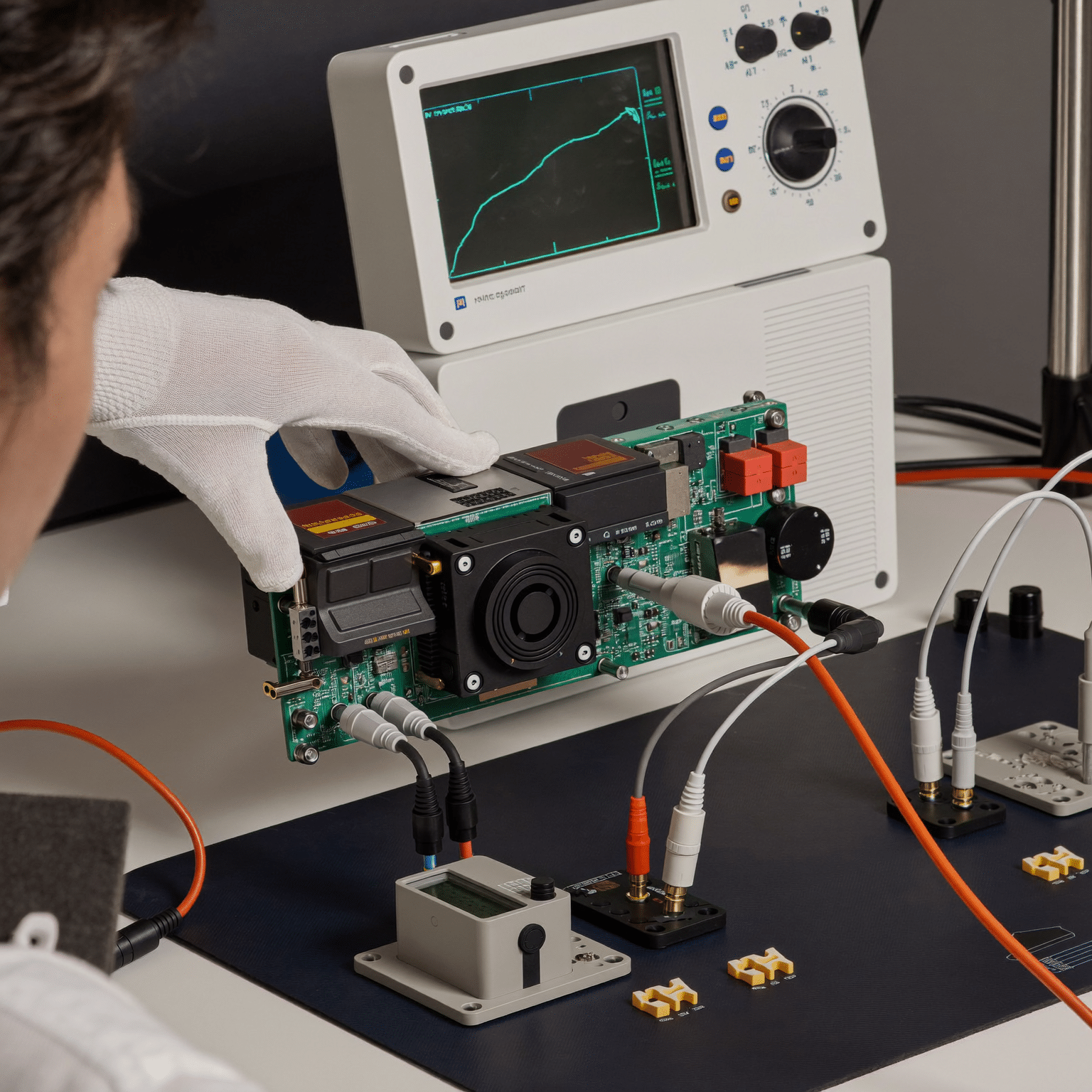
Harmonie Design Labs develops application-specific electronics around these constraints, from sensor interface and timing architecture through digital processing, calibration, and physical validation.
Application Areas
Precision Sensor Interfaces
Custom electronics for acquiring and conditioning low-level sensor signals while preserving stability across supply, temperature, and operating conditions.
Time-of-Flight Measurement
TDC-based architectures for systems that calculate distance, flow, level, position, or movement by measuring the interval between transmitted and received events.
Ultrasonic Measurement
Timing, control, and processing solutions for ultrasonic flow meters, level sensing, ranging, and acoustic measurement systems.
Calibration and Compensation
Digital and embedded functions for correcting offset, non-linearity, temperature dependence, channel variation, and sensor-specific behaviour.
Data Acquisition and Instrumentation
Custom IC, FPGA, and embedded architectures for collecting, processing, and transferring measurement data within industrial and scientific systems.
At a glance
Industry profile
| Primary applications | Sensor interfaces, Time-of-Flight, ultrasonic measurement, calibration and compensation, data acquisition |
|---|---|
| Key requirements | End-to-end error budget, drift and offset stability, timing precision, on-chip calibration, noise floor |
| Operating environment | Wide temperature ranges, long calibration intervals, integration into space-constrained sensor modules |
| Relevant capabilities | TDC-Based Solutions, ASIC Design, Digital & RTL Design, Embedded & FPGA Engineering |
Measurement performance is a system property
Accuracy does not belong to a single component.
It emerges from the interaction between the sensing element, interface electronics, timing architecture, calibration method, digital processing, firmware, and test environment.
A weakness in any part of that chain can limit the complete system.
Harmonie Design Labs helps engineering teams define and develop the electronics around the measurement principle, so that the final architecture reflects the performance the application actually requires.
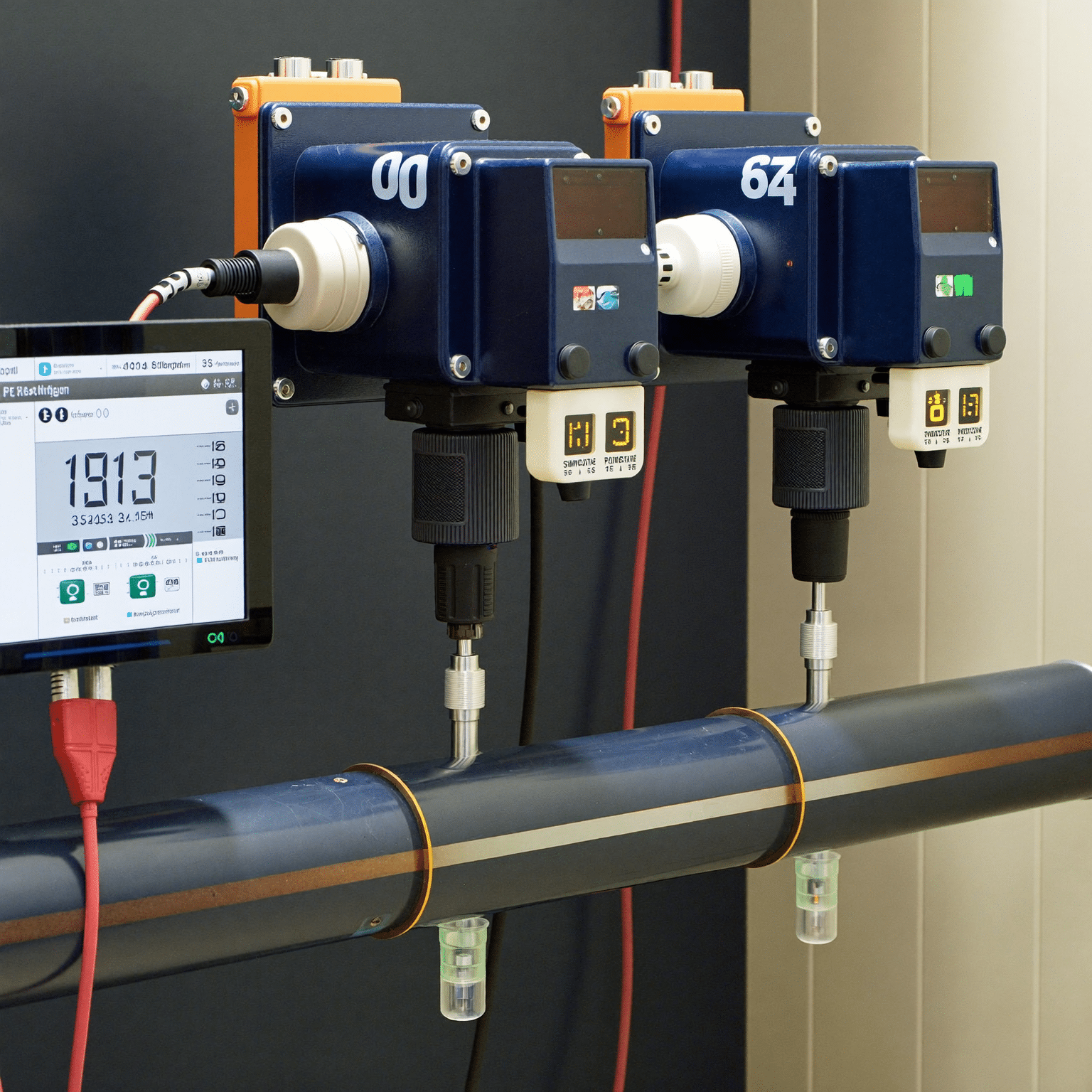
Industry Info
Temperature, Pressure, Flow, Position, Vibration & Time-of-Flight
Resolution, Accuracy, Linearity, Drift & Repeatability
Noise, Calibration, Timing Uncertainty & Temperature Variation
Custom ASICs, TDC Architectures & Sensor Electronics
Interface Design, Timing, Processing & Validation